Jul 03, 2026
Noise is part of daily life in many factories. Machines move, parts connect, and energy flows through different systems. These actions often create sound. Some of it is expected. Some of it becomes a problem over time.
In recent years, more attention has been placed on how machines sound during operation. Not only for comfort, but also for control. A stable sound often reflects stable motion. When noise becomes uneven, it may signal deeper issues.
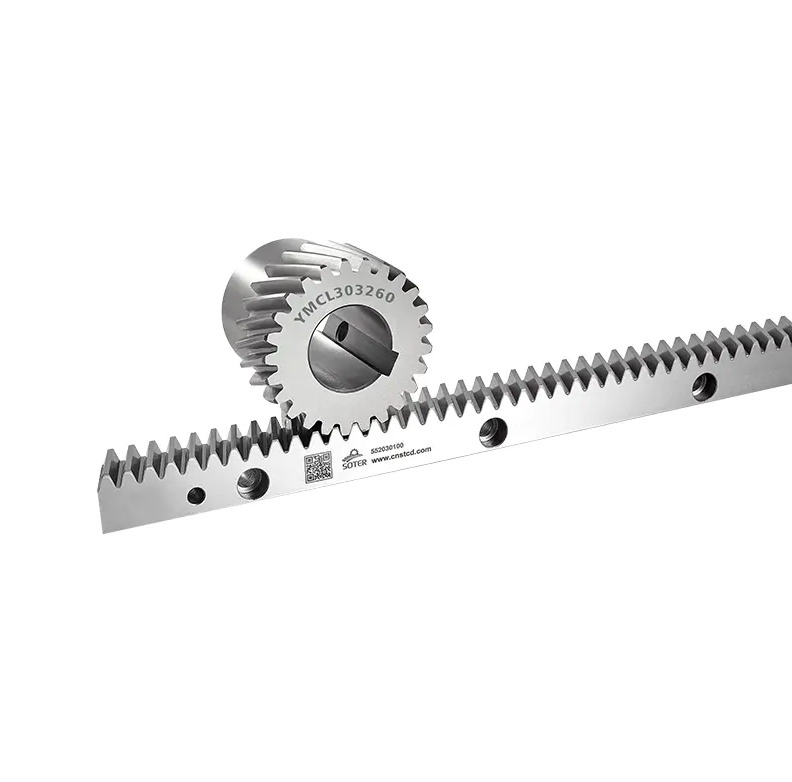
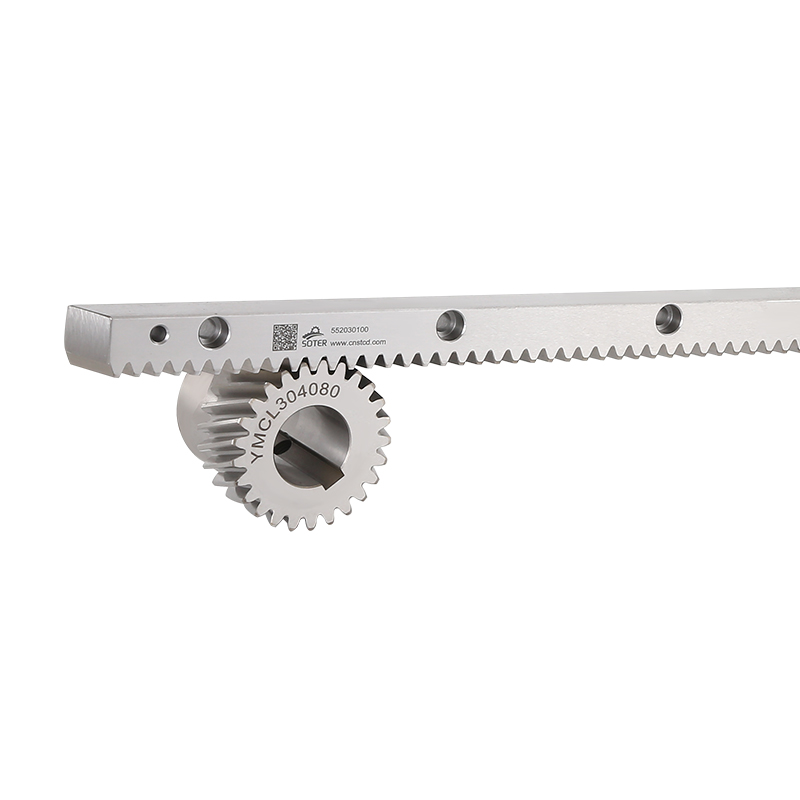
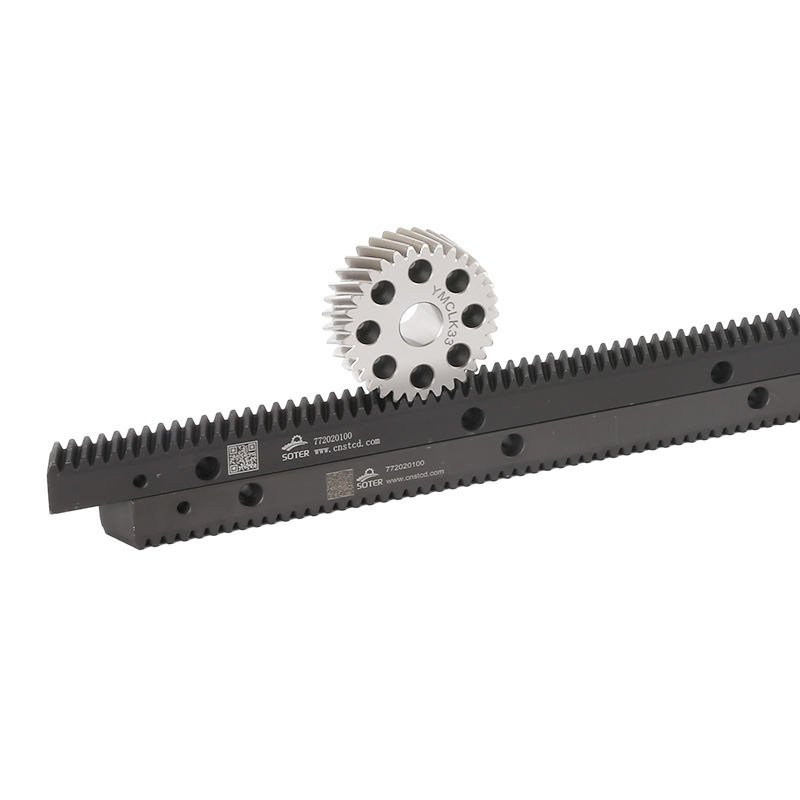
Within this context, helical gear rack and pinion systems are gaining more discussion. Their structure offers a different way for components to interact. This difference shows up clearly in how sound is produced and perceived.
Factories are changing. Layouts are more open. Work areas are often shared between teams. Machines are placed closer to each other than before. In this kind of environment, sound travels easily.
Workers need to communicate clearly. Instructions must be heard without delay. Constant loud noise can make this difficult. It can also affect concentration over long periods.
There is also a shift in how equipment is evaluated. Sound is no longer ignored. It is seen as part of overall performance. A system that runs with controlled noise is often easier to manage.
Noise also connects with observation. Operators often rely on sound to judge machine behavior. A sudden change can signal that something needs attention. If the background noise is too high, these signals can be missed.
Transmission systems move energy from one part to another. The way components connect plays a key role in how sound is generated.
When contact between parts is direct and sudden, it can create repeated impact. This produces sharp and noticeable sound patterns. Over time, this can become tiring for those working nearby.
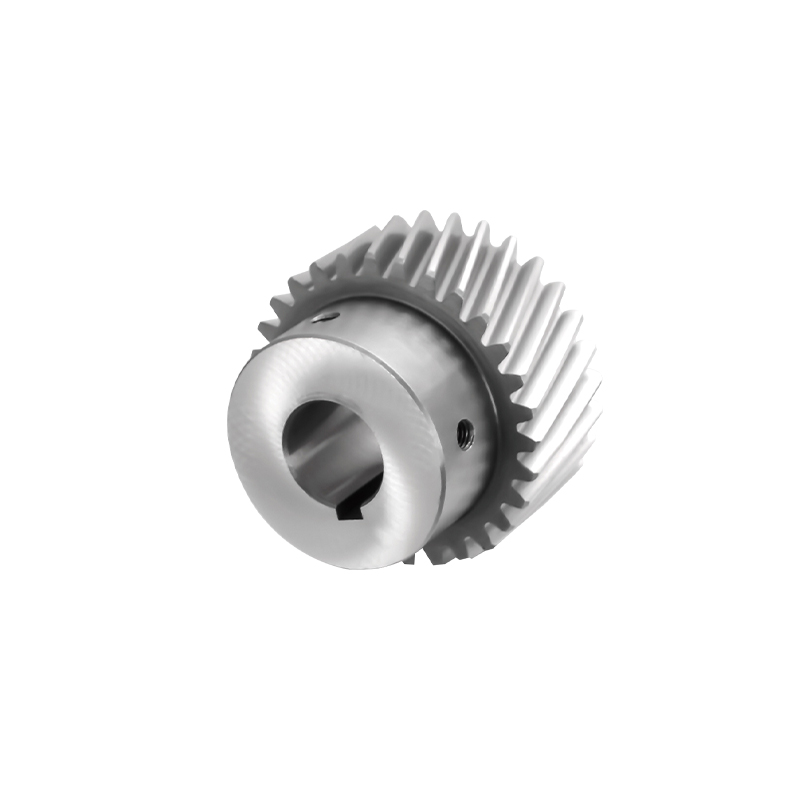
Helical gear rack and pinion systems approach contact in a different way. Their tooth structure is angled. This allows engagement to begin gradually rather than all at once.
Instead of one point of contact, the interaction spreads along a line. This reduces the sense of impact. The motion feels more continuous. Sound becomes more even and less abrupt.
This design does not remove sound entirely. It changes how sound behaves. The difference may seem small at first, but it becomes clearer during long periods of operation.
The quieter nature of these systems comes from several simple but effective characteristics.
Progressive contact
Teeth begin to engage slowly. The transition from no contact to full contact is smooth.
Shared load
More than one tooth can carry force at the same time. This spreads pressure and reduces sudden stress.
Stable motion
Movement does not start and stop abruptly. It flows in a steady manner.
Lower vibration tendency
Smooth contact reduces the formation of strong vibration waves, which often turn into noise.
Each of these features works together. The result is not silence, but a calmer and more controlled sound profile.
The effect of reduced noise is often felt gradually. Workers may not notice a single change, but they experience the difference over time.
Communication becomes easier. People can speak at a normal level. Instructions do not need to be repeated as often.
Focus improves as well. A steady sound environment is less distracting than one filled with sharp or irregular noise. This can support longer periods of attention.
There is also a safety angle. When background noise is lower, unusual sounds stand out more clearly. This allows operators to respond quickly when something changes.
The working environment feels more balanced. It is not only about comfort. It is about clarity and control.
Sound often reflects how parts interact. Harsh noise can suggest uneven contact or sudden force changes. Over time, this can lead to uneven wear.
Helical gear rack and pinion systems promote smoother contact. Force is transferred more evenly. This reduces the chance of localized stress.
As a result, wear tends to develop in a more consistent way. Surfaces remain stable for longer periods. Small irregularities are less likely to grow quickly.
Maintenance patterns may shift as well. Instead of reacting to sudden issues, teams can follow more regular routines. This makes planning easier and reduces unexpected interruptions.
Noise does not stay in one place. It moves through the workspace and influences how different areas interact.
In a loud environment, coordination becomes harder. Workers may need to rely more on visual signals. Timing can become less precise.
With quieter transmission systems, coordination improves. Operators can hear cues from nearby processes. This helps align actions between different stages.
Material flow can also benefit. When machines run smoothly, there are fewer interruptions. Items move through the system at a steady pace.
This creates a more connected workflow. Each step supports the next without unnecessary delay.
Even with improved design, noise control requires attention. Several factors can influence how a system performs.
Installation accuracy
If components are not positioned correctly, noise can increase.
Surface condition
Dirt or wear can change how parts interact.
Operating environment
Temperature and surrounding conditions may affect material behavior.
Routine care
Lack of regular inspection can allow small issues to grow.
Helical gear rack and pinion systems help reduce some of these risks, but they do not remove the need for proper handling. Careful setup and consistent checks remain important.
Different systems produce different sound patterns. These patterns are shaped by how parts connect and move.
| Transmission Type | Contact Style | Sound Pattern | Overall Perception |
|---|---|---|---|
| Straight gear engagement | Direct point contact | Sharp and repetitive | Noticeable and rhythmic |
| Flexible belt systems | Surface-based contact | Soft and continuous | Low and steady |
| Helical rack and pinion | Angled and shared contact | Smooth and even | Balanced and controlled |
This comparison shows how design influences sound. Each option has its own place. Helical systems offer a balance between strength and reduced noise.
When machines produce less noise, layout decisions become more flexible. Equipment can be placed based on workflow rather than distance from noise-sensitive areas.
This can shorten the path between processes. Materials travel less distance. Movement becomes more direct.
Open layouts become easier to manage. Teams can work closer together without being affected by excessive sound.
The result is a more efficient use of space. Small adjustments in layout can lead to noticeable improvements in daily operations.
Design trends continue to evolve. Alongside performance and flexibility, sound is gaining attention as a key factor.
Manufacturers are looking for ways to create machines that fit better into shared environments. Quiet operation is part of this goal.
Helical gear rack and pinion systems align with this direction. Their structure supports smoother motion and reduced noise without adding unnecessary complexity.
As expectations continue to shift, sound may play a larger role in how equipment is selected. It becomes part of the overall experience, not just a side effect of operation.
Operators often rely on more than visual cues. Sound provides immediate feedback. It helps them sense how a machine is running.
A stable and consistent sound builds familiarity. Workers learn what is normal. When something changes, they can respond quickly.
Irregular noise can create uncertainty. It becomes harder to tell whether a change is serious or not.
Helical gear rack and pinion systems support a more predictable sound pattern. This makes it easier for operators to understand machine behavior during daily use.
The connection between people and machines becomes clearer. Sound acts as a guide, helping maintain smooth and steady operation.
Compartir:
Productos relacionados

Si tiene intención de cooperar, déjenos un mensaje o utilice las siguientes formas de contactarnos. Le responderemos lo antes posible y le brindaremos un servicio más sincero, gracias.
Producción
Código QR
Llámenos:
+86-13758631128
Correo electrónico :
sttc@cnstcd.com
Dirección:
No.31 Calle piazza, Pueblo de ruoheng, Ciudad de wenling, Ciudad de taizhou, Provincia de zhejiang, China.
Derecho de Autor © deZhejiang Soter Transmisión Tecnología Co. Ltd. Derechos Reservados


 English
 中文简体
中文简体
 Español
 русский